Heat Pump Installation for Coastal Humidity: Dehumidification Without Overcooling
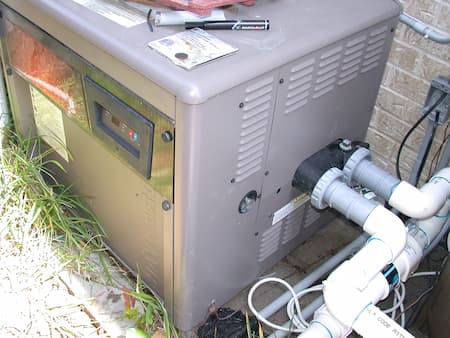
If your home in Daphne, AL feels sticky unless the thermostat is set way too low, you’re not alone. Coastal humidity lingers, and the wrong setup can leave rooms clammy or overchilled. The good news is that modern heat pumps, installed and tuned the right way, can pull moisture from the air without driving temperatures down into the “sweater indoors” zone. This guide explains how thoughtful heat pump installation prevents overcooling while keeping summer air dry and comfortable.
We’ll cover the features that matter for our Gulf Coast climate, how sizing and ductwork affect humidity control, and why controls make or break real-world comfort. If you want a local partner who understands salt air, afternoon thunderstorms, and long cooling seasons, you can start with a trusted local hvac team in Daphne that knows these homes and conditions well.
Why Coastal Humidity Demands A Different Heat Pump Strategy
Along Mobile Bay, outdoor air holds a lot of moisture for much of the year. When humid air enters your home, it raises the indoor dew point. If your system cools the air quickly but doesn’t run long enough to wring out moisture, you get that familiar “cold but damp” feeling. True comfort needs both temperature and humidity control.
Heat pumps don’t just cool; they dehumidify as air passes over the indoor coil. The trick is steady, appropriately long run times at lower output so the coil stays cold enough to condense moisture without flooding rooms with chilly air. That’s why equipment selection, airflow, and controls matter as much as the tonnage on the label.
How Heat Pumps Remove Moisture Without Overcooling
Several design choices help a system sip energy while quietly drying the air:
- Variable-speed or multi-stage compressors that run longer at lower capacity, giving the coil more time to condense moisture.
- ECM blower motors with adjustable airflow, aimed at a sensible range of cubic feet per minute per ton to support dehumidification.
- Coils sized to encourage moisture removal while maintaining steady temperatures in living spaces.
- Reheat or dehumidify-priority control strategies that reduce airflow or capacity to favor drying during muggy periods.
With the right setup, your system spends more time in a gentle, low-output mode. That reduces temperature swings, keeps the coil at a good dehumidifying sweet spot, and helps manage humidity even during shoulder seasons when it’s muggy but not especially hot.
Smart Thermostat And Airflow Settings That Support Dehumidification
Controls are the quiet hero in a humid climate. Certain smart thermostats and communicating systems offer dehumidify priority, which lets the system adjust blower speed or stage down to dry the air first and cool second. You get fewer “cold bursts,” fewer cycles, and more even comfort room to room.
Don’t try to force humidity fixes by setting the thermostat very low for long periods. That can overcool some rooms, waste energy, and still leave you uncomfortable. Instead, the right matched controls allow the heat pump and blower to cooperate, slowing airflow when the indoor humidity climbs above your setpoint and easing back as it stabilizes.
Good control also helps during wet weather common around Daphne. When a line of storms rolls through Lake Forest or Olde Daphne, humidity can spike even if the temperature drops. Dehumidify-priority logic lets the system respond to moisture without overcooling the house on a mild, rainy day.
Sizing And Ductwork Matter In Daphne, AL Homes
An oversized unit cools fast, shuts off, and doesn’t run long enough to remove moisture. An undersized unit may struggle during late-afternoon heat. Right-sized equipment with a proper load calculation is critical for our coastal climate because it balances cooling capacity with the longer run times needed for drying.
Ductwork can help or hurt. Leaky returns can pull humid attic or crawlspace air into the system. Poorly balanced ducts leave upstairs spaces sticky and downstairs rooms chilly. A clean, sealed, and well-balanced duct system supports steady airflow at the coil, which supports steady dehumidification throughout the home.
- Rooms over garages and sunrooms on the bay side often need special airflow attention.
- Bonus rooms and additions benefit from careful sizing so they don’t become humidity “hot spots.”
Installation Details For Long Life Near The Bay
Coastal placement and materials matter. Outdoor units benefit from proper clearance on all sides so air can move freely and moisture doesn’t linger. Where possible, placement away from constant sprinkler overspray and pooling water reduces corrosion. Coated coils and hardware designed for marine-influenced air offer another layer of protection.
Electrical details are important in a storm-prone area. Surge protection and tight electrical connections help protect sensitive variable-speed components. Refrigerant lines should be routed and insulated to limit heat gain and sweating, especially in vented attics and sunny exterior runs. Small choices like these add up to steadier humidity control and longer equipment life.
Beware of quick fixes that promise dry air but ignore the underlying setup. Real humidity control comes from matching equipment, airflow, and controls to the home and to local conditions, not from cranking down the thermostat.
When A Whole-Home Dehumidifier Makes Sense With Heat Pumps
Some homes fight humidity even when the cooling load is low, like during a cloudy stretch over Mobile Bay. In those cases, a dedicated whole-home dehumidifier can work alongside your heat pump to keep moisture in check without overcooling. The dehumidifier handles the heavy lifting during mild, humid days; the heat pump takes over when temperatures climb.
This combination can be helpful for ground-level rooms, homes with tighter construction that trap moisture from daily living, and houses with large bay-facing windows that see rapid swings in indoor conditions. The result is more stable humidity across seasons with fewer temperature dips.
Maintenance Habits That Protect Comfort And Efficiency
Humidity control slips when maintenance slips. Professional tune-ups catch airflow issues, refrigerant charge problems, and control settings that drift out of range. Filters need to match the system’s design so the blower can maintain the intended airflow profile without strain.
Near the coast, the outdoor unit sees more moisture and airborne salt. Gentle professional cleanings help preserve coil performance. Indoors, a clean drain pan and clear condensate line prevent water backups and musty odors. Scheduling preventive service before peak humidity season sets you up for a calmer summer.
Real-World Comfort: How It Feels When It’s Done Right
When a heat pump is chosen and installed with humidity in mind, comfort feels different. The air is drier, so 74 or 75 degrees feels just right rather than clammy. Rooms hold a steady, even temperature with fewer hot-and-cold swings. The system runs longer and quieter at lower speed, pulling moisture out without blasting cold air.
You’ll also notice fewer musty smells, fewer foggy windows on damp mornings, and better sleep because bedrooms aren’t fluctuating between chilly and stuffy. In short, the home feels calm, not cold.
What To Expect From A Thoughtful Heat Pump Installation
A quality installation process focuses on the whole system, not just the outdoor unit. Expect attention to airflow, duct condition, and the controls that tell the equipment how to behave when humidity rises. The aim is a system that quietly maintains your preferred temperature and a humidity setpoint that keeps the house crisp and comfortable.
To see how these pieces come together, explore local options for heat pump installation that prioritize a dehumidification strategy from day one. The right partner will help you choose features that match Daphne’s climate, your home’s layout, and your comfort goals.
Plan Your Next Step With Local Experts
Ready for a home that feels dry and comfortable without dropping the thermostat? Talk to 5 Starr Heating and Air about a humidity-first installation plan for your Daphne home.
Take the first step toward balanced comfort today by scheduling your visit with 5 Starr Heating and Air. Call 251-223-1217 or book through our page for professional heat pump installation that controls humidity without overcooling.

"Get Your HVAC System Running Smoothly" Call Our HVAC Company In Daphne Now!